Industrial waste
Solutions engineered for wastes and residues from industrial activities, taking account of composition, packaging, calorific value and the treatment objectives associated with the process.
CFI Systems designs, develops, manufactures and integrates thermal-treatment systems for industrial waste, healthcare waste, medical waste and infectious clinical waste — from waste reception and charging to flue-gas treatment, automation, heat recovery and power generation.
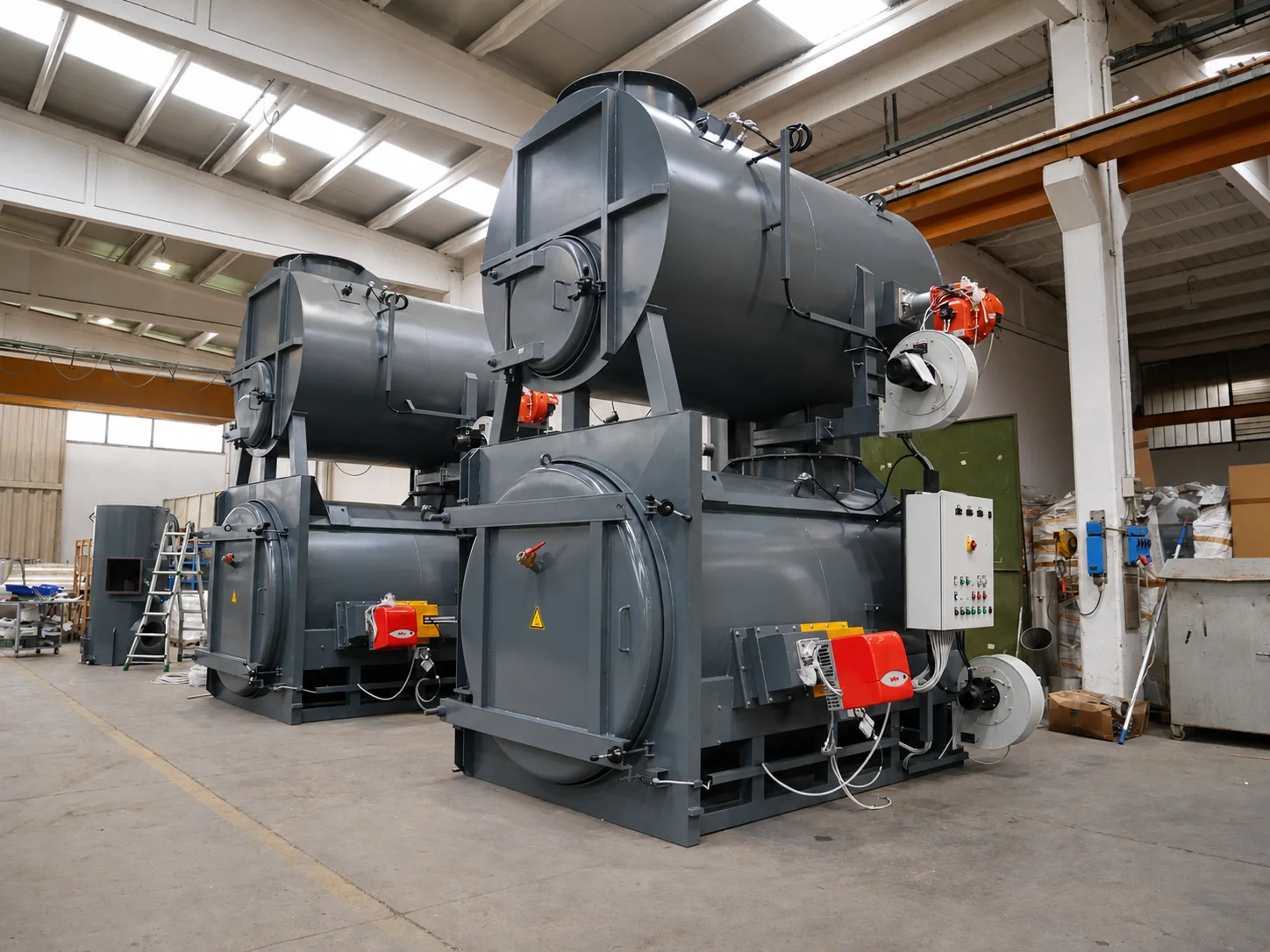
Waste composition, calorific value, moisture, packaging, physical form and feeding profile all influence the architecture of an incineration plant.
CFI Systems defines the process from these inputs and the constraints of the site, rather than forcing a fixed catalogue solution where the application calls for a different approach.
Solutions engineered for wastes and residues from industrial activities, taking account of composition, packaging, calorific value and the treatment objectives associated with the process.
Thermal-treatment systems for healthcare waste, medical waste and infectious clinical waste — including waste streams referred to as DASRI in France — according to the regulatory requirements applicable to the project.
Process studies for particular streams where waste behaviour, calorific value, residence time or feeding method require a dedicated thermal architecture.
Our principle: define the equipment around the waste, the site, the operating constraints and the treatment objectives before fixing the furnace architecture.
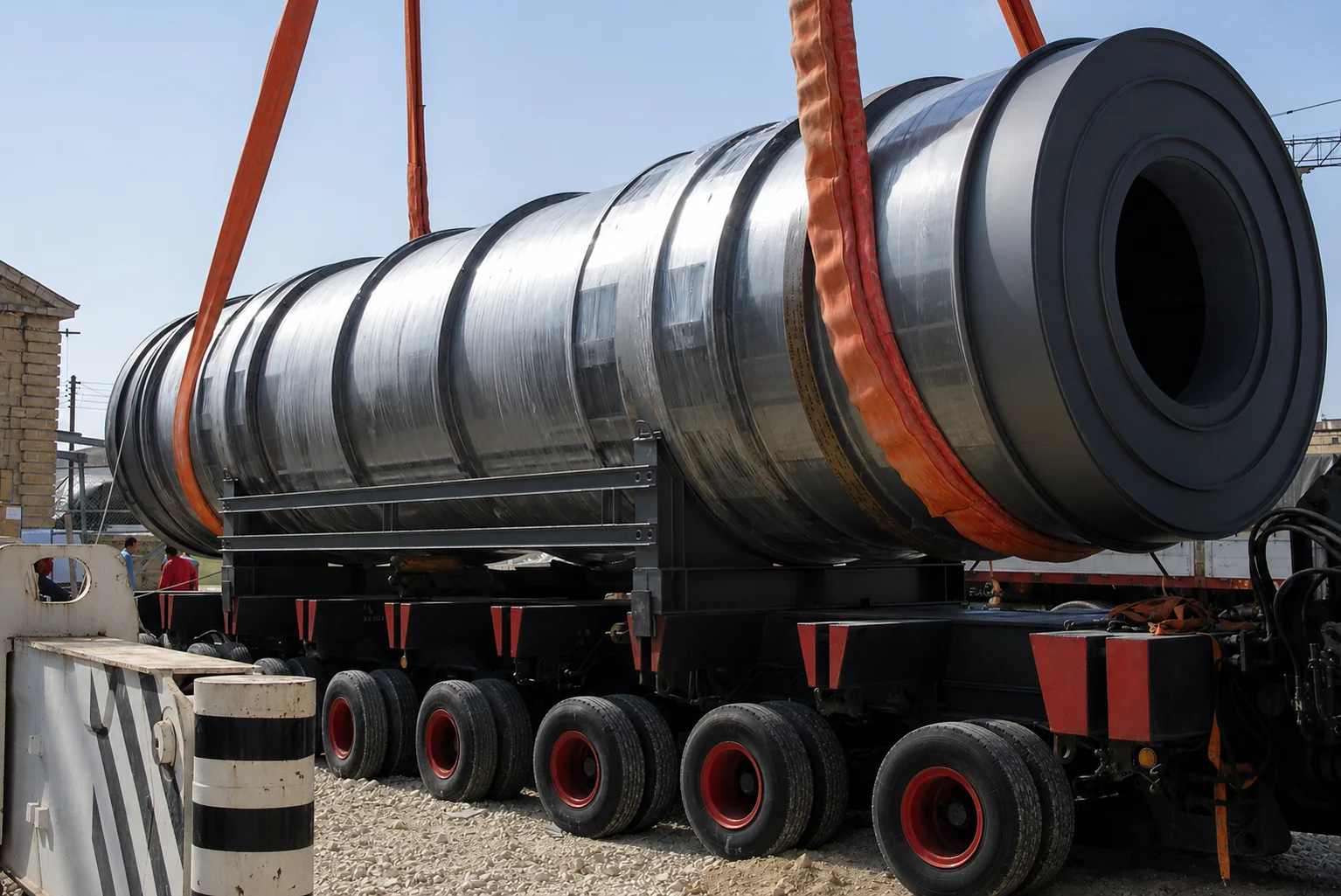
The choice of incinerator depends on the waste, its behaviour through the thermal cycle, the mixing requirement, residence time, capacity, feeding method and operating conditions. CFI Systems keeps an open approach so that a static, rotary, stepped-hearth or multiple-hearth furnace can be selected when the process justifies it.
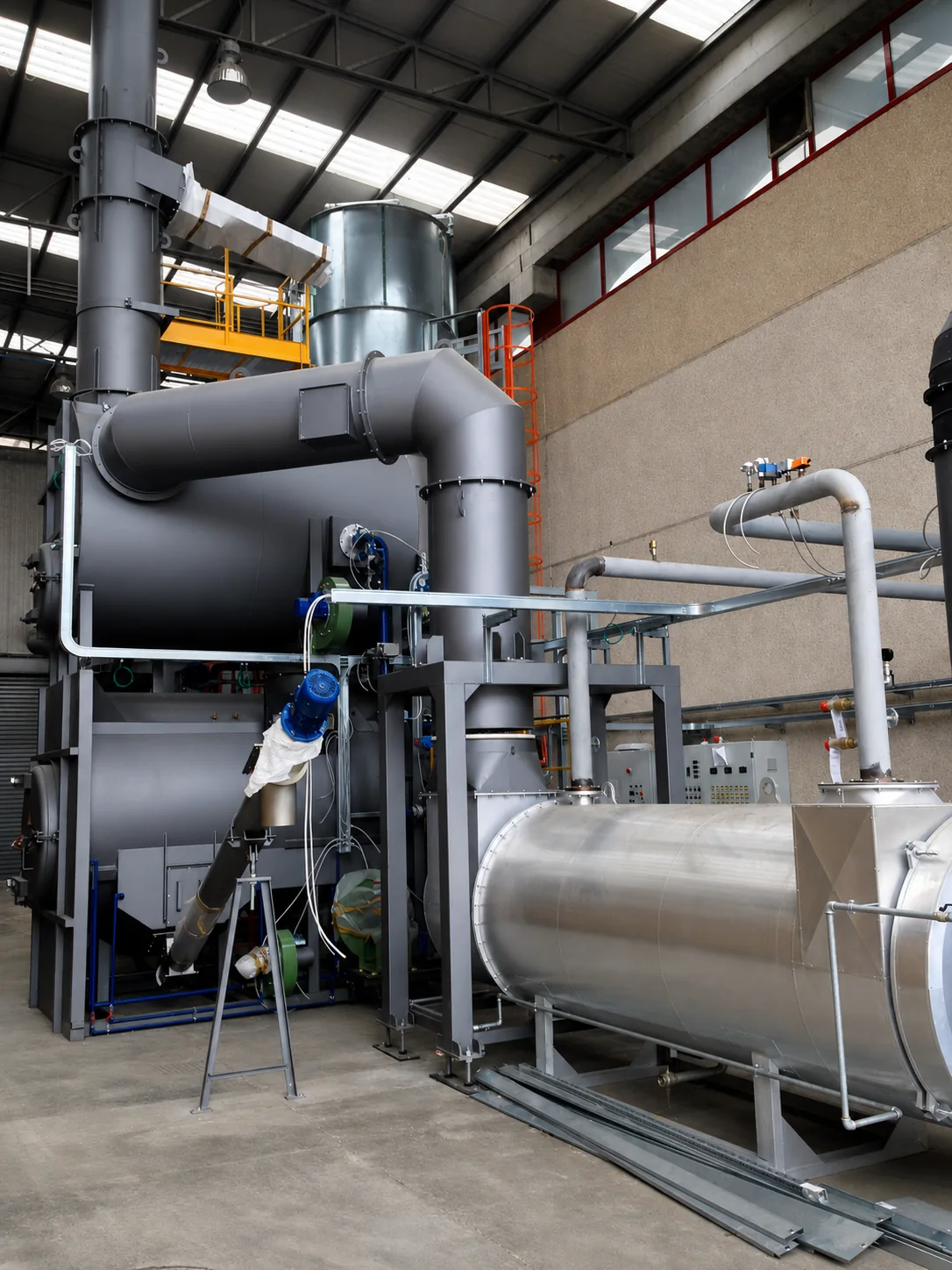
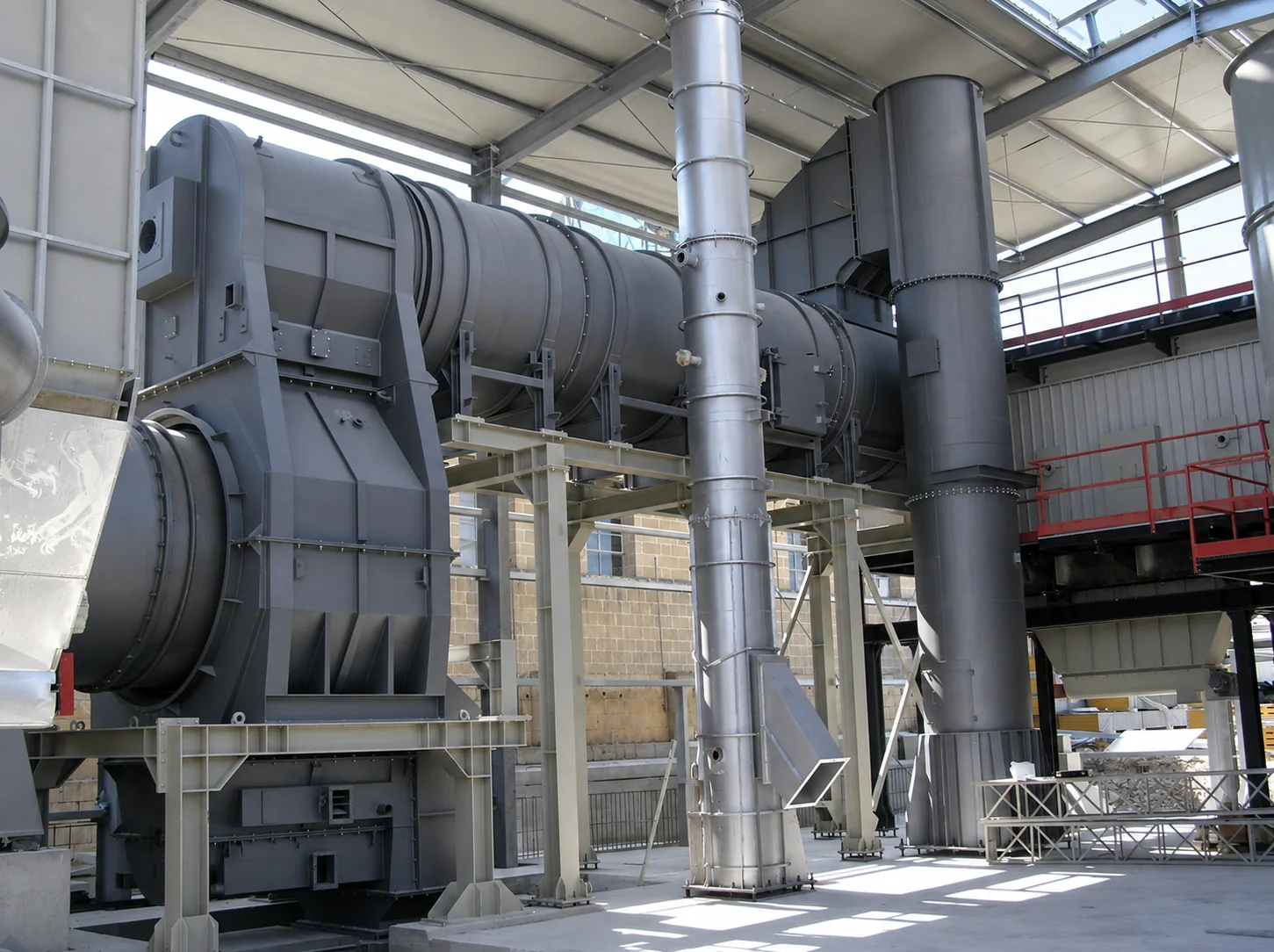
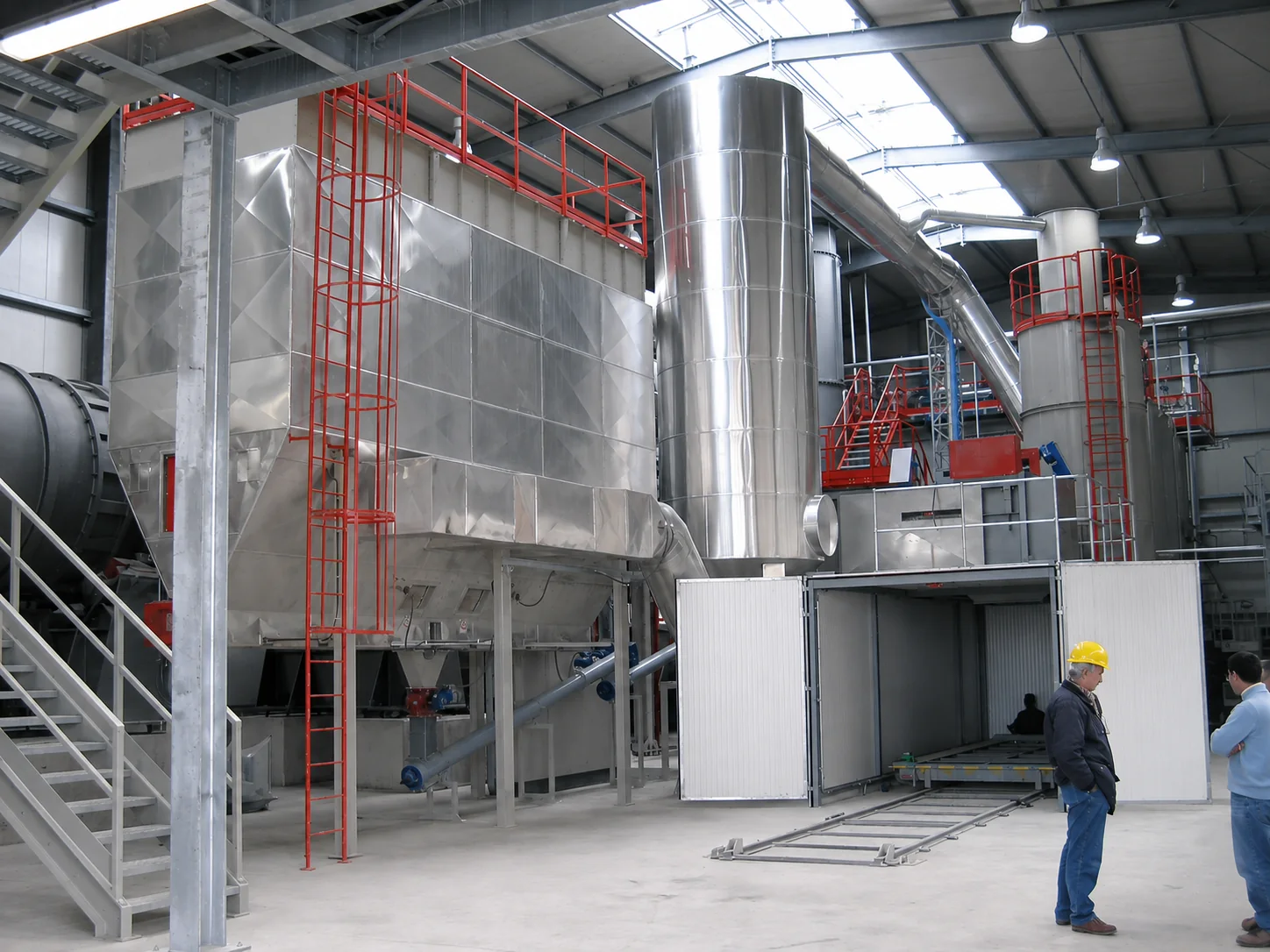
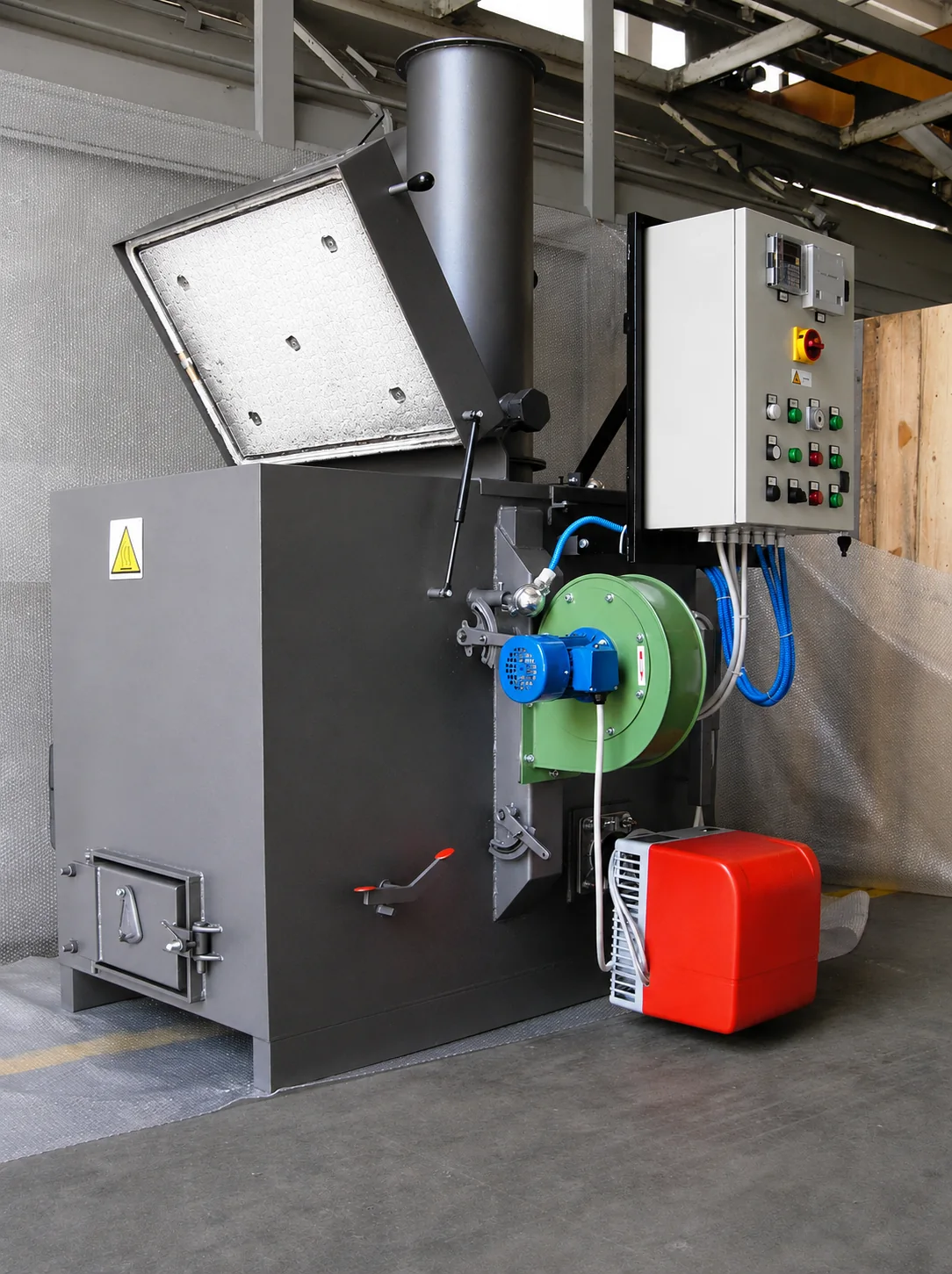
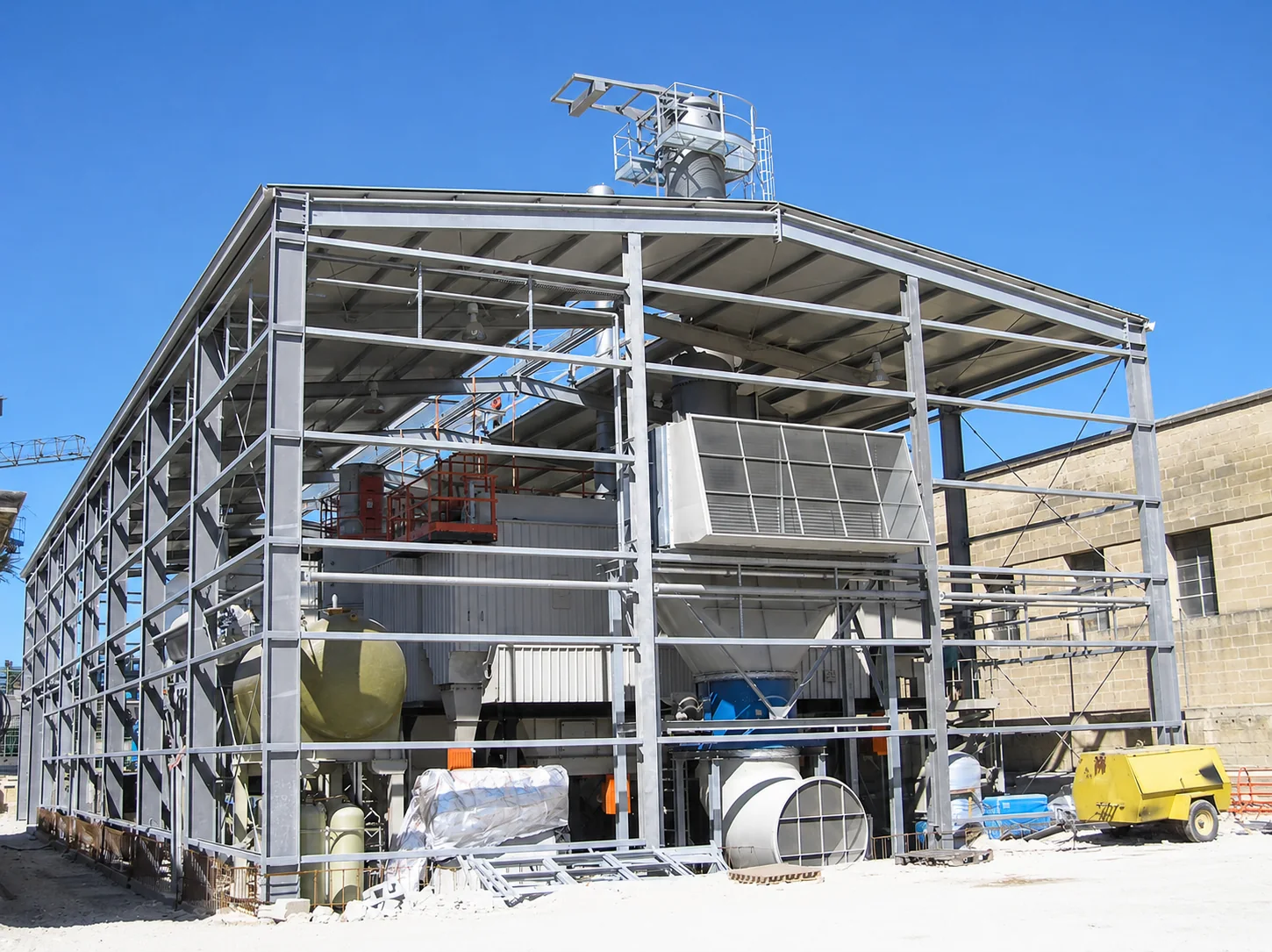
Compact units, maintenance-access details, rotary furnaces and transport preparation: each view illustrates a practical design and integration constraint.
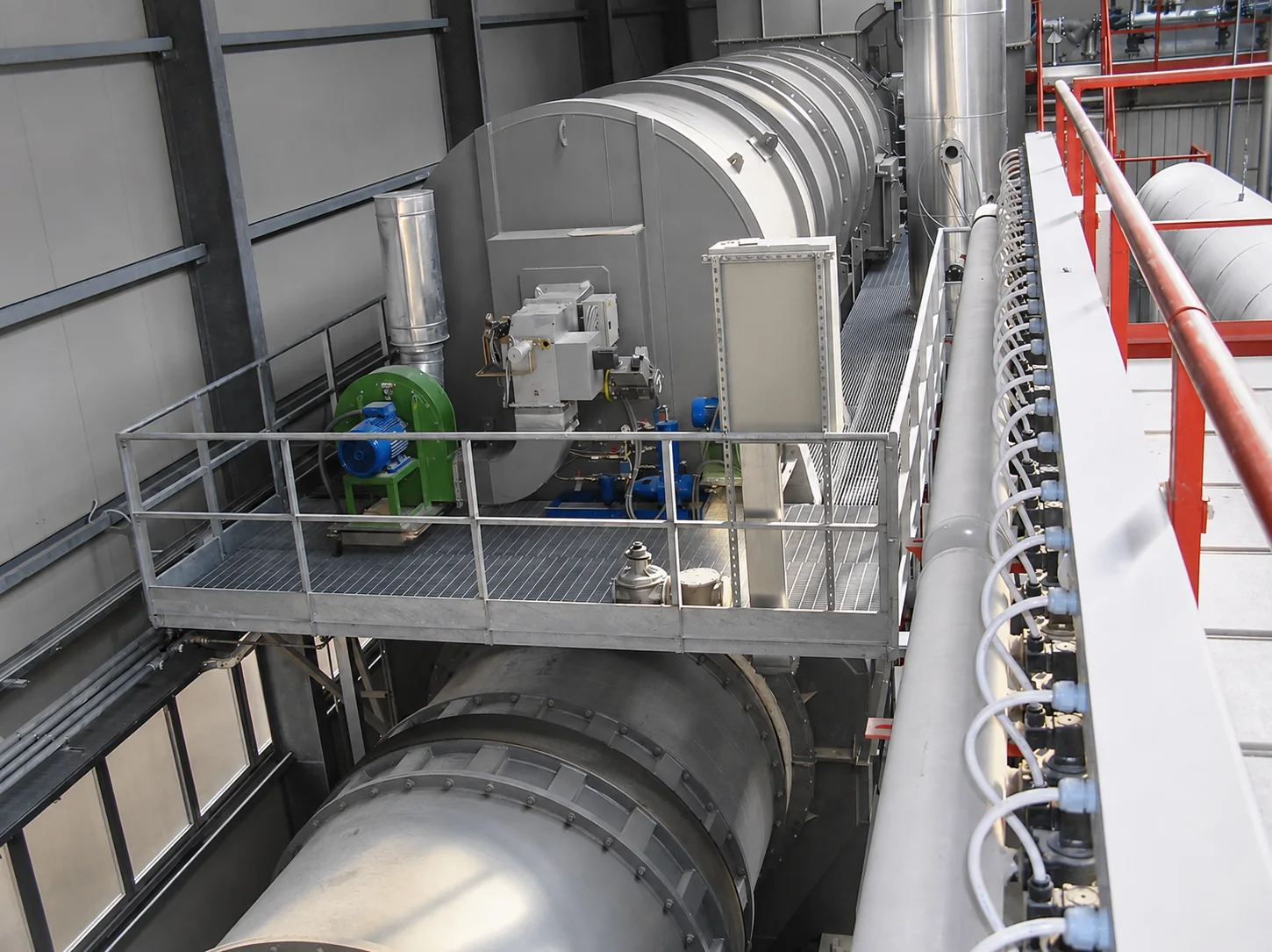
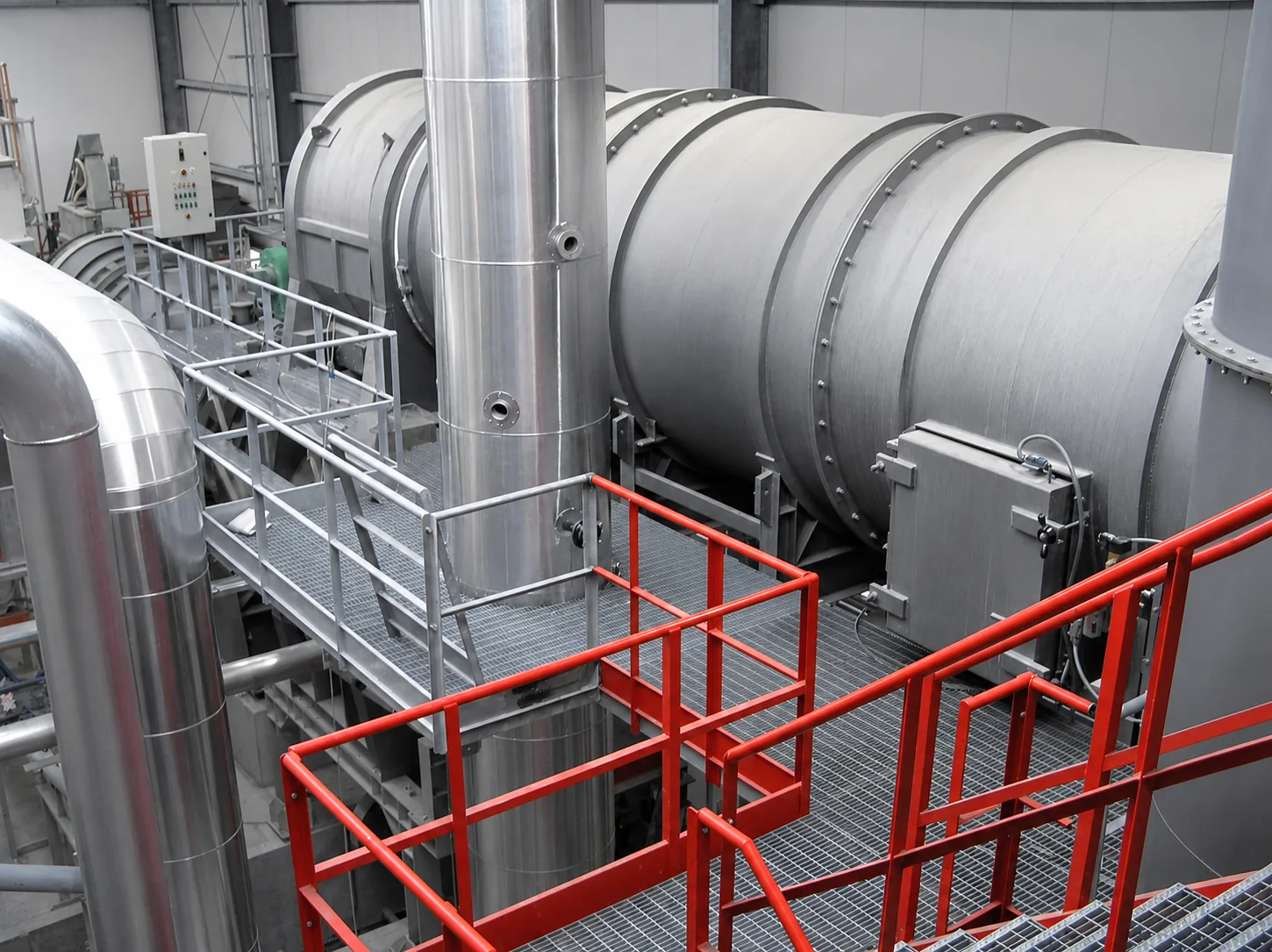
Incinerator performance depends on the coherence between charging, furnace, afterburning, ash handling, gas cooling, filtration, extraction and automation.
The charging system has a direct effect on safety, process consistency and the organisation of day-to-day operation. It is therefore engineered with the furnace rather than treated as a stand-alone accessory.
Depending on the project, the installation may integrate different reception, transfer and feeding solutions, including mechanised, automated, mobile or containerised arrangements where the context makes them appropriate.
The control strategy coordinates energy input, combustion air, temperatures, draft and afterburning according to the real evolution of the waste. The objective is stable treatment while protecting the equipment and the downstream flue-gas system.
Flue-gas characteristics depend on the waste, the thermal process and the operating conditions. CFI Systems treats the gas-cleaning line as an extension of the furnace so that temperatures, draft, pressure losses and abatement stages remain coherent.
Management of flue-gas temperature according to the downstream equipment and process constraints.
Reagent injection and contacting where required by the selected treatment architecture.
Filtration of particulates and treatment residues using dry filtration or another architecture suited to the project.
Draft management, instrumentation, pressure-loss control and interaction with the stack.
Technical choices and guaranteed performance are defined from the waste characteristics, the regulatory requirements applicable to the country, the client objectives and the overall plant architecture. Explore CFI Systems flue-gas treatment & filtration solutions →
An incineration plant can make a significant quantity of thermal energy available. CFI Systems considers recovery from the design stage so that this energy can be used as hot water, steam, electricity or for other internal and external energy demands.
Where temperature level, recoverable thermal power and annual operating profile make it worthwhile, part of the recovered heat can also be converted into electricity, for example through an Organic Rankine Cycle (ORC) system or another conversion architecture suited to the project.
Generated electricity can contribute to the site's own demand and improve the overall energy balance. Recovery is engineered without compromising the temperatures required for flue-gas treatment, process stability or plant availability. Explore waste-heat recovery & energy valorisation →
The control system coordinates charging, combustion, air, afterburning, filtration, extraction and auxiliary equipment. Supervision brings together the information required for operation, troubleshooting and performance follow-up.
CFI Systems can assess an existing plant and identify which equipment should be retained, modernised or replaced to improve reliability, operation, thermal performance or flue-gas treatment. Explore our dedicated retrofit & modernisation approach →
CFI Systems can support a complete incineration line or a targeted technical package, with scope adapted to the requirements and responsibilities of each project.
Capacities, dimensions, charging methods, thermal architectures and flue-gas configurations are established during engineering. CFI Systems deliberately keeps model definitions flexible so that the solution can be matched to the actual project.
Waste, charging, combustion, afterburning, ash, flue gas, energy and control are engineered within one integration philosophy.
Composition, packaging, moisture, calorific value and behaviour are considered before fixing the process.
Layout, utilities, logistics, operation and local requirements are built into the study from the outset.
Furnace, afterburning, filtration and extraction must operate as one coherent system.
Access, maintenance, diagnosis and upgradeability are considered from the design stage.
Final technical characteristics are established project by project from the waste, capacity, site, operating profile and applicable requirements.
Yes. CFI Systems designs, develops, manufactures and integrates incineration systems for new projects, equipment replacement and the modernisation of existing plants.
Yes. Projects can be studied for healthcare waste, medical waste and infectious clinical waste, subject to waste characterisation and the regulatory requirements applicable to the site and country.
Depending on waste characteristics, throughput, feeding mode, residence time and process objectives, CFI Systems can consider static incinerators, rotary incinerators or rotary kilns, and stepped-hearth or multiple-hearth furnaces, together with the required afterburning and downstream treatment equipment.
Yes. Waste reception, transfer and furnace feeding can be mechanised or automated according to packaging, logistics and the organisation of the site.
Yes. Cooling, treatment, filtration, extraction and instrumentation can be engineered with the incinerator so that the overall process remains coherent.
Yes, where recoverable temperature, thermal power and annual operating hours make the project technically and economically relevant. Recovered waste heat can then feed a power-conversion system such as an ORC, alongside thermal uses including hot water, steam or district heating.
Yes. CFI Systems can work on automation, combustion, air circuits, charging, filtration, extraction, heat recovery, electricity generation and other peripheral equipment.
CFI Systems also develops cremation systems, flue-gas treatment and filtration, combustion, pyrolysis, thermal cleaning, precious-metal recovery and energy-recovery solutions.
New plant, incinerator replacement, medical-waste treatment, flue-gas filtration, energy recovery, electricity generation or retrofit: CFI Systems studies the installation as a complete system.