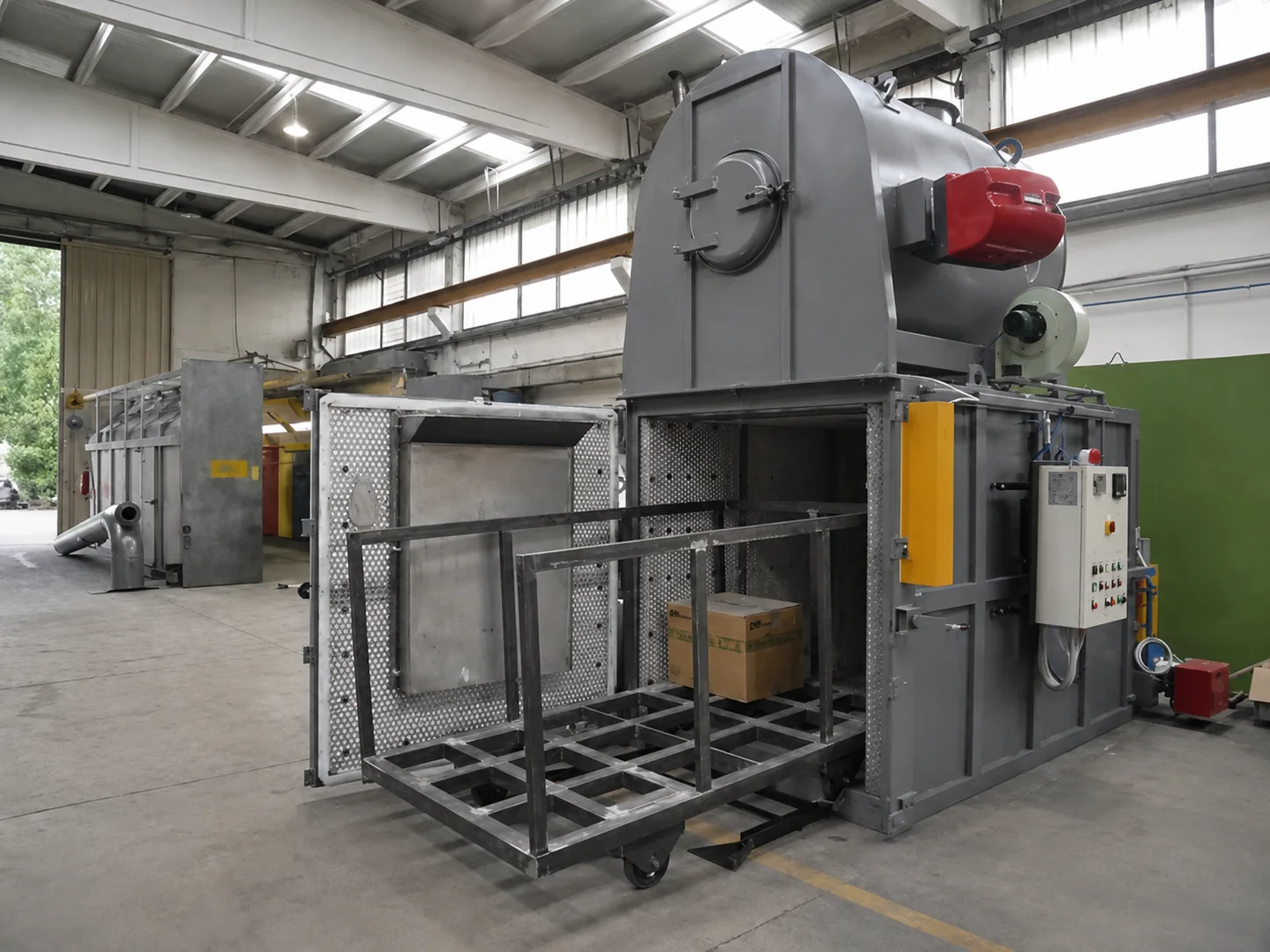
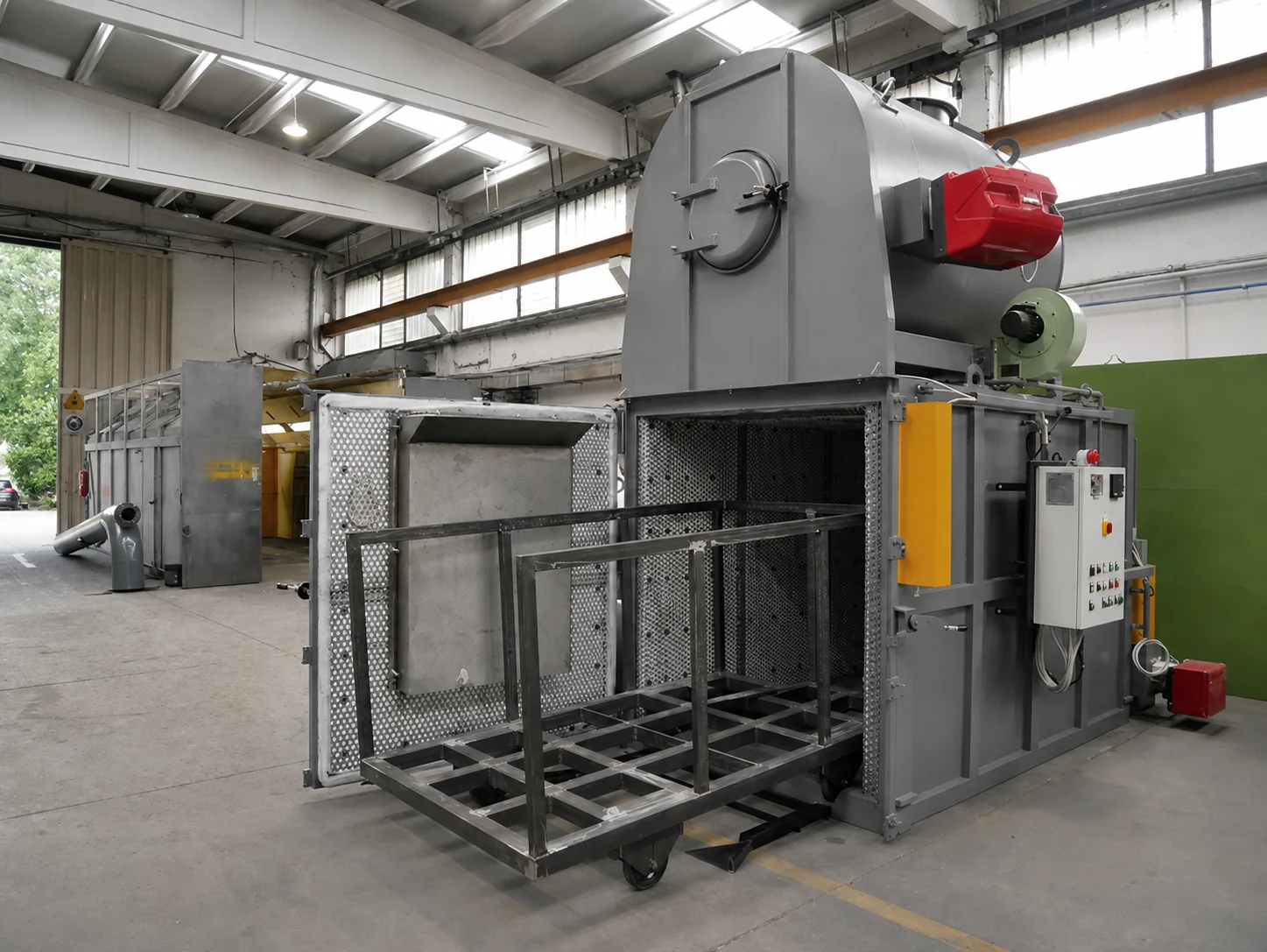
Thermal cleaning Paint stripping Controlled pyrolysis

Thermal cleaning & paint stripping ovens.

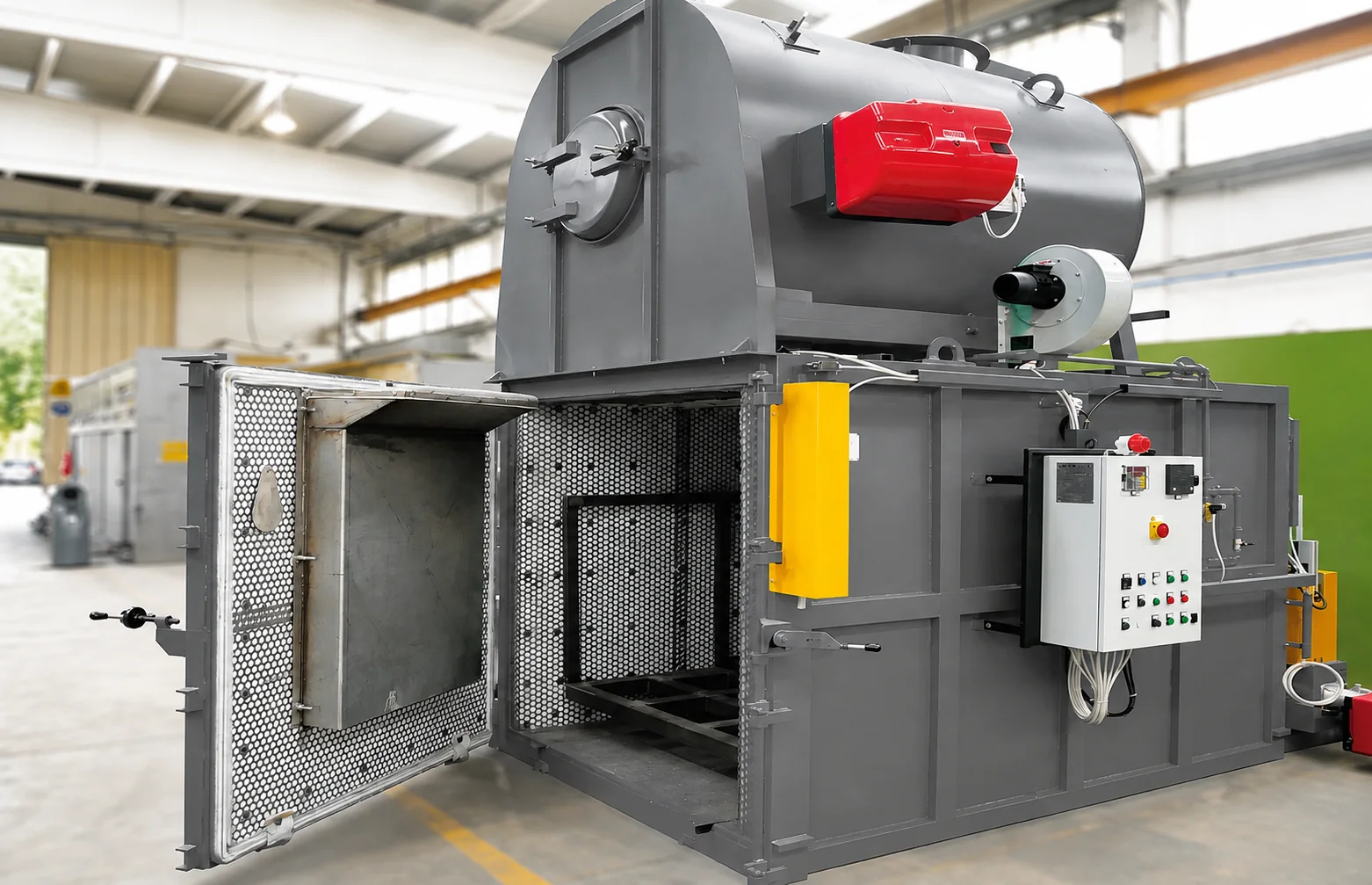
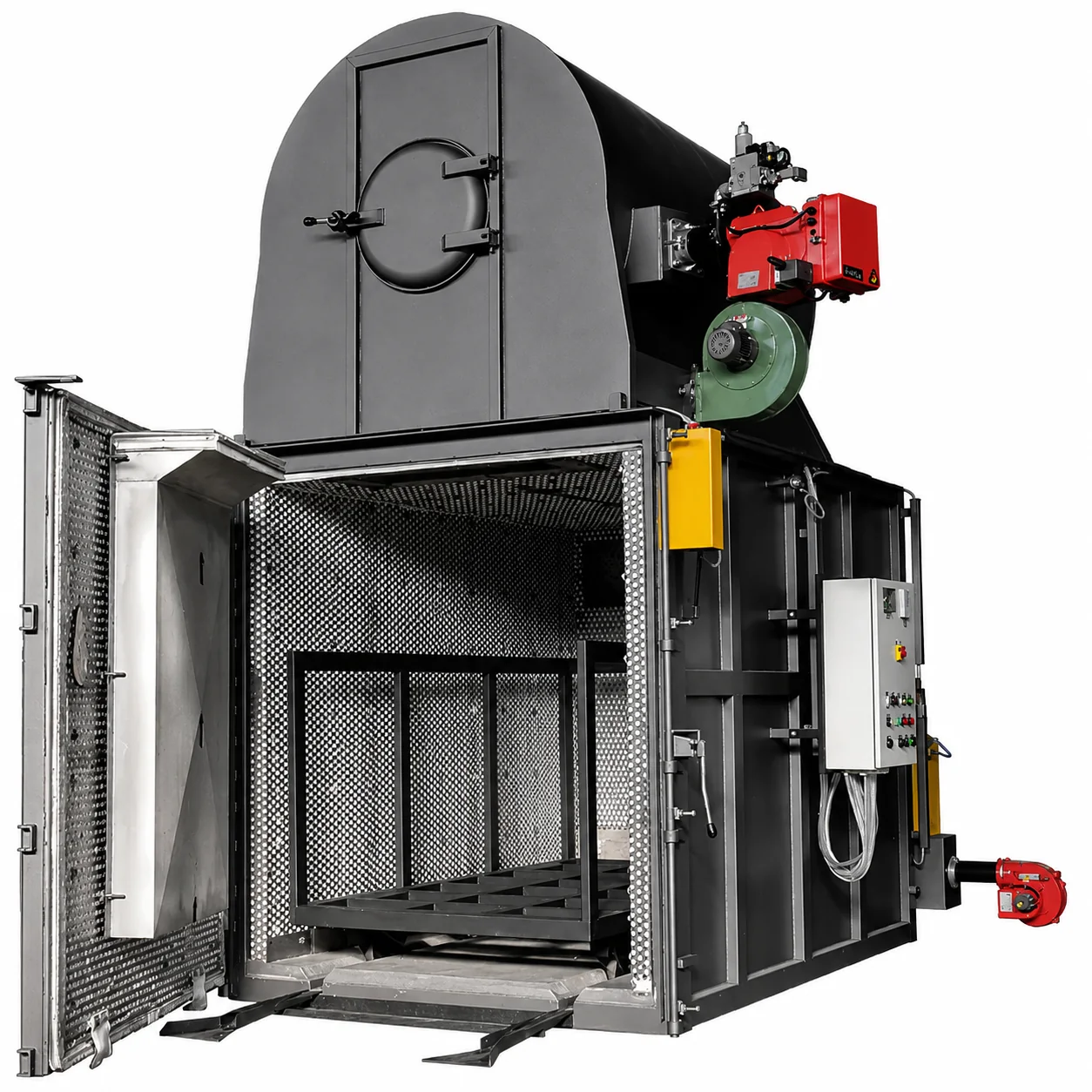
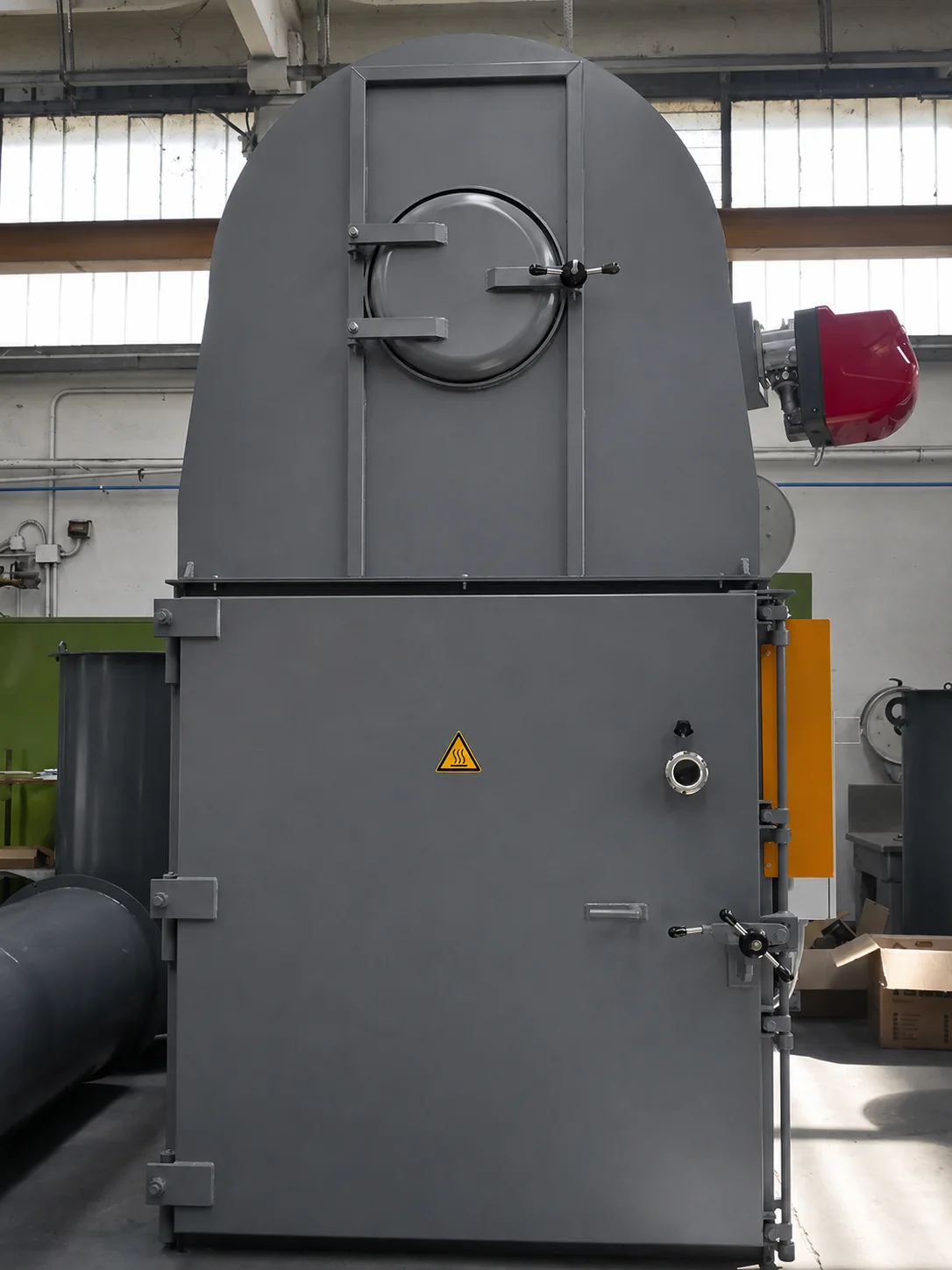
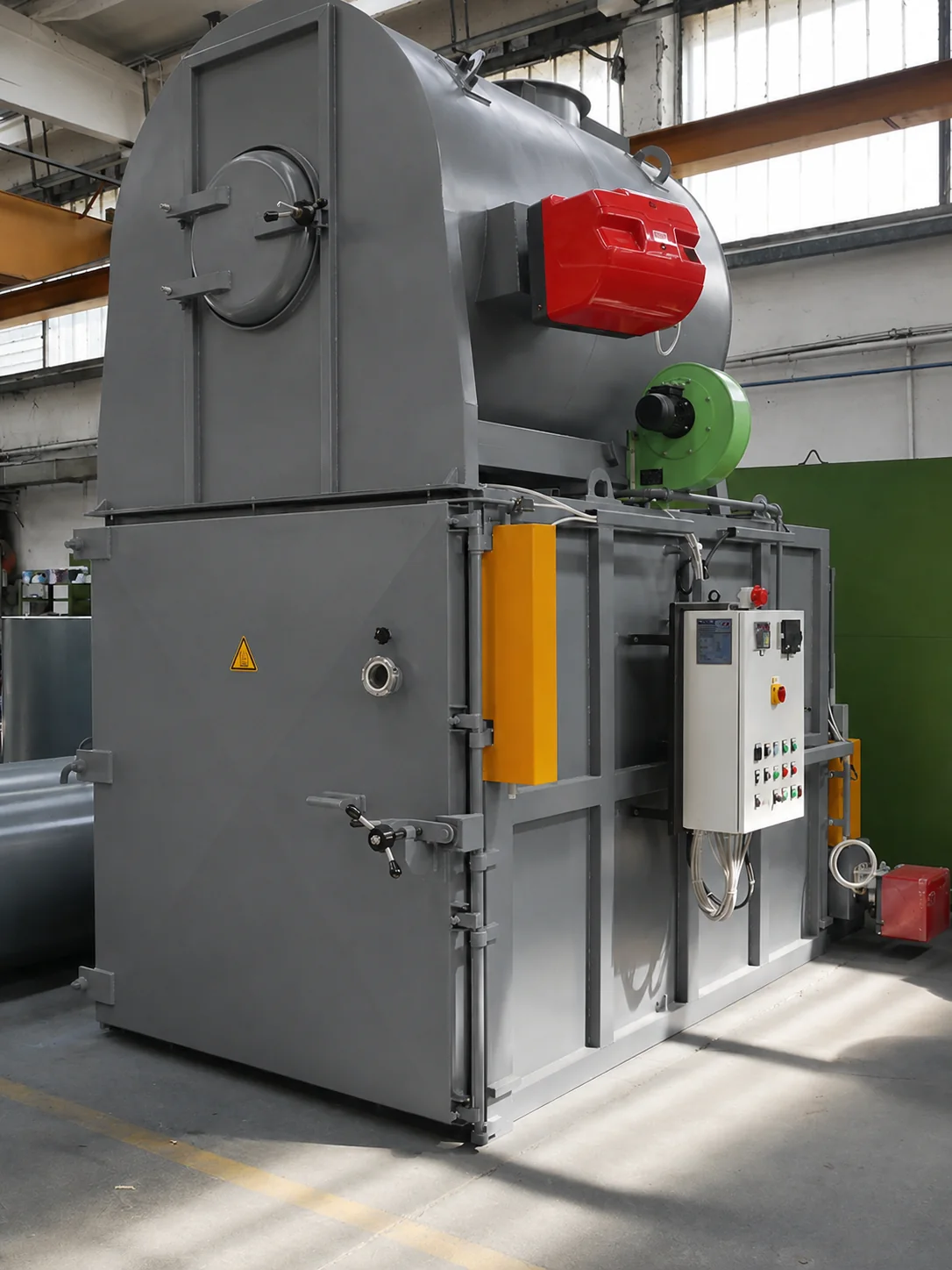
CFI Systems designs, manufactures and integrates thermal cleaning and paint stripping ovens for removing paint, powder coating, resins, adhesives, polymers and other organic deposits from metal parts and production tooling, with controlled temperatures, afterburning and automated cycle management.

Terminology: in some industrial markets, particularly North America, this equipment is also commonly referred to as a burn-off oven.

Paint Resins Polymers Controlled thermal process International projects
A controlled cycle from start to finish
01Load the parts
02Controlled heat-up
03Pyrolytic decomposition
04Afterburning of process gases
05Finishing & return to service
Protect the partsControlled temperature, uniformity and heat-up rate
Reduce chemicalsAn alternative to some chemical and mechanical stripping processes
Treat process gasesAfterburning integrated with the thermal process
Automate the cycleRecipes, safety functions, alarms and cycle history
Applications

Remove organic build-up without turning production tooling into a consumable.

Thermal cleaning is particularly effective where metal parts need to be cleaned repeatedly and consistently, while reducing dependence on solvents, chemical stripping baths or intensive manual cleaning.

The cycle is engineered around the part material, geometry, mass, coating type and quantity of organic material to be removed.

01 / PAINT LINES

Hooks, hangers, racks & fixtures

Cleaning of hooks, racks, grids, skids, frames, jigs and other fixtures used on liquid-paint or powder-coating lines, helping restore usable surfaces and reliable electrical contact for electrostatic coating processes.

02 / TOOLING

Production parts & tooling

Removal of paint, resins, adhesives, oils, greases and selected polymers from metal components, moulds and production tooling once compatibility with the thermal process has been confirmed.

03 / WINDINGS

Electric motors & components

Controlled removal of insulating resins and varnishes from stators, windings and components intended for regeneration, with particular attention to thermal control and recovery of reusable metallic parts.

Other potential applications: plastics-processing components, extrusion tooling, maintenance parts and metal items contaminated with organic materials. Feasibility is assessed case by case according to the contaminant and sensitivity of the component.

Process principle

Decompose the organic material, then treat the gases it generates.

The oven gradually brings the loaded parts to a defined thermal condition so that paints, resins or polymers decompose in a controlled manner. The objective is not simply to expose the parts to direct flame: heat input, air and the rate of gas release are managed to protect the metal components and control the process.

Pyrolysis gases are then routed to an afterburning chamber where temperature, residence time and combustion air are coordinated to oxidise them before discharge or further treatment where the application requires it.

Controlled heatingProgressive heat-up matched to the mass, geometry and material of the loaded parts.
Indirect flameArchitecture designed to avoid direct flame contact with the parts where the process requires it.
Controlled pyrolysisDecomposition of organic matter with management of gas release throughout the cycle.
AfterburningThermal treatment of process gases integrated into the equipment design.
Complete system

From loading the parts to putting them back into production.

Cleaning quality depends on the coherence between chamber design, heat input, gas circulation, afterburning, control system and the finishing operations required after the thermal cycle.

Part pathway
01
PreparationIdentify the parts, coating and thermal constraints.
02
LoadingTrolley, basket, suspended loading or dedicated support according to geometry and mass.
03
Thermal cleaningAutomated heating, decomposition and hold phases according to the selected recipe.
04
CoolingEnd-of-cycle sequence and return to a temperature compatible with safe handling.
05
FinishingWhere necessary, removal of mineral residues by washing, air blasting, shot blasting or another suitable process.
06
ReuseReturn the cleaned parts or tooling to production or maintenance service.
Gas & safety pathway
01
Thermal circulationDistribution of hot gases to promote uniform temperature throughout the useful chamber volume.
02
Pyrolysis gasesControlled collection of vapours and gases released as coatings decompose.
03
AfterburningThermal oxidation of process gases before discharge.
04
Additional treatmentFurther gas treatment can be considered where the contaminant or applicable regulation requires it.
05
Extraction & stackDraft management, instrumentation and controlled discharge.
06
SupervisionTemperatures, states, alarms, safety functions and cycle history.
Temperature uniformity & part protection

The useful temperature is the temperature actually experienced by the parts.

An effective thermal cleaning oven must do more than reach a setpoint. It must distribute energy evenly through the chamber and avoid hot spots that could distort or weaken sensitive components.

CFI Systems studies useful volume, gas circulation, heater arrangement, thermal load and control sequences to target repeatable treatment from one batch to the next.

01Uniform heat distribution through the useful chamber volume
02Heat-up ramps matched to parts and contaminants
03Limitation of hot spots and unnecessary thermal stress
04Measurement and regulation designed around the process
05Insulation and construction aimed at limiting thermal losses
Loading & ergonomics

Horizontal, vertical, suspended or purpose-built around the parts.

Chamber and loading configuration must suit the shape and mass of the parts, the site's handling method and the required cycle frequency. Loading equipment can therefore be engineered around the application rather than standardised.

Horizontal loadingTrolley-based loading for heavy, stackable or support-mounted parts.
Vertical / suspended loadingSuitable for hooks, hangers, frames and parts that benefit from suspended handling.
Dedicated fixturesBaskets, racks, trolleys and purpose-built supports designed around the customer's components.
Operator safetyInterlocks and access prevention during active phases of the cleaning cycle.
Process gases & emissions

Treat the gas line as part of the oven, not as an accessory.

Gas composition is directly related to the paints, resins, polymers and other products present on the parts. Understanding those contaminants is therefore essential when defining afterburning and any additional gas-treatment stage.

01

Afterburning

Thermal oxidation of gases and vapours released during cleaning, with coordinated control of heat input and combustion air.

02

Contaminants

Assessment of coating composition, particularly where halogenated or potentially aggressive compounds may be present.

03

Additional treatment

A supplementary gas-treatment stage can be engineered where the contaminant, site conditions or applicable regulation make it necessary.

04

Extraction

Management of draft, temperatures, instrumentation and interaction with the stack.

Coating compatibility must be confirmed before treatment. Materials containing PVC, PTFE or other halogenated compounds can generate corrosive or acidic gases and may require a specific oven and gas-treatment architecture.

Automation & cycle control

Repeat the right cleaning cycle without relying only on operator experience.

The control system coordinates heat-up, heating, gas circulation, air input, afterburning, cooling and safety functions.

Recipes for different families of parts and contaminants help standardise cleaning while preserving the ability to adjust parameters when the product or batch changes.

01Automated recipes and cleaning cycles
02Temperature regulation and heating sequences
03Coordination with afterburning and extraction
04Alarms, interlocks and safety shutdown logic
05Cycle history and diagnostic support
Why thermal cleaning?

An industrial alternative to chemical or mechanical stripping.

Thermal cleaning can reduce chemical use, manual cleaning and direct abrasive action on components while treating multiple parts in a controlled batch cycle.

The best method still depends on material, geometry and contaminant. For some applications, a chemical, mechanical, vacuum, fluidised-bed or other cleaning technology may be more suitable.

Less chemistryPotential reduction in stripping baths, solvents and associated liquid effluents.
RepeatabilityAutomated cycles and reproducible process parameters from batch to batch.
Part preservationNo direct abrasive action on the part during the thermal cycle.
ProductivityBatch treatment and reduction of selected manual cleaning operations.
Specific application

Thermal stripping of motor windings & electric-motor regeneration.

Controlled thermal removal of insulating resins can support the recovery of stators, shafts, housings and conductors during rewinding and motor-regeneration work. This duty requires particularly careful regulation to protect the components intended for reuse.

01

Resin & varnish removal

Controlled decomposition of insulating resin and varnish before dismantling or conductor recovery.

02

Component protection

Cycle definition aimed at limiting thermal stress on mechanical and magnetic components that must be retained.

03

Drying / curing

Depending on the project, a controlled drying or curing function can be studied for resin treatment after refurbishment or rewinding.

Modernisation & retrofit

Upgrade an existing thermal cleaning or paint stripping oven.

CFI Systems can assess existing equipment and determine whether control, thermal uniformity, safety, afterburning or availability can be improved while retaining a sound oven structure.

Automation & supervisionPLC replacement, operator interfaces, recipes and data history.
CombustionBurner, safety-system and regulation-strategy upgrades.
Thermal circulationOptimisation of hot-gas distribution and chamber uniformity.
AfterburningUpgrade of gas thermal treatment and associated control.
LoadingModification or replacement of trolleys, fixtures and handling systems.
InstrumentationAddition or modernisation of process and safety measurements.
From requirement to lifecycle

Design the oven around the parts that actually need to be cleaned.

CFI Systems can support a new installation, retrofit or targeted technical package using samples, tests, production data or the customer's technical specification as the starting point.

1CharacterisationParts, materials, dimensions, mass, contaminants and cycle frequency.
2EngineeringUseful volume, loading, thermal design, process gases, afterburning, electrical and automation.
3ManufacturingFabrication and integration of the equipment forming the solution.
4InstallationAssembly, connections, coordination and preparation for testing.
5CommissioningTesting, cycle tuning, process validation and operator training.
6Lifecycle supportMaintenance, technical support, parts and modernisation.
CFI Systems approach

The right oven cleans the part without damaging it.

CFI Systems deliberately keeps chamber dimensions, loading arrangements and cycle philosophy open until the parts, contaminants, operating rhythm and environmental requirements of the site have been assessed.

Thermal cleaning is a controlled process — not simply an oven that gets hot.

Temperature uniformity, rate of gas release, afterburning, safety and repeatability have to be engineered together.

01 · Part

Protect the substrate

Metallurgy, mass, geometry and thermal sensitivity guide the cycle.

02 · Contaminant

Understand what is being removed

Paint, powder coating, resin, adhesive and polymers do not generate the same gases or residues.

03 · Gas

Engineer the complete process

Afterburning and any additional flue-gas treatment are part of the equipment concept.

04 · Production

Reduce tooling downtime

Loading, recipes and cycle design are aligned with the customer's real production organisation.

Frequently asked questions

Thermal cleaning & paint stripping ovens.

Temperature, cycle duration and oven configuration are selected according to the parts and contaminants that need to be removed.

What is a thermal cleaning or paint stripping oven?

It uses a controlled heating cycle to decompose organic coatings and contaminants on metal parts. The gases generated are then treated — typically by afterburning — before discharge. The term burn-off oven is also used for this type of equipment in some markets.

Which coatings can thermal cleaning remove?

Depending on the application, the process can remove liquid and powder paint, resins, adhesives, oils, greases and many polymers. Compatibility must be confirmed from both the contaminant and the material of the component.

What parts can be cleaned?

Typical applications include paint-line hooks and hangers, racks, grids, skids, jigs, metal components, selected moulds and production tooling, as well as stators and motor windings intended for regeneration.

Can thermal cleaning distort the parts?

Part protection is a core element of cycle design. Temperature, heat-up ramps, uniformity and cycle duration are matched to material, geometry and mass. Particularly sensitive components require specific validation.

How are gases from the thermal cleaning process treated?

Vapours and gases generated by decomposition of organic material are routed to an afterburning stage. Depending on contaminant composition and applicable environmental requirements, additional gas treatment may be necessary.

Can PVC, PTFE or other halogenated coatings be treated?

They require a specific study because decomposition can generate corrosive or acidic compounds. Oven materials and the gas-treatment line must be appropriate before the process can be validated.

Can the loading system be designed around my parts?

Yes. CFI Systems can study horizontal trolley loading, vertical or suspended loading, as well as dedicated baskets, racks and fixtures according to the parts and the site's handling method.

Can an existing thermal cleaning oven be retrofitted?

Yes, depending on its condition and architecture. Automation, combustion, instrumentation, thermal circulation, afterburning, loading and safety functions can all be assessed for modernisation.

CFI Systems

Thermal cleaning is part of a broader thermal-process capability.

CFI Systems also develops cremation systems, industrial incineration systems, pyrolysis processes, precious-metal recovery, combustion, filtration and energy-recovery solutions.

Explore all solutions
Thermal cleaning project

Tell us about your parts and your process.

New thermal cleaning or paint stripping oven, paint-line fixtures, resin or polymer removal, motor windings, modernisation or automation: CFI Systems studies the solution from the real production requirement.

contact@cfi-systems.comCentre d’Affaires Giennois – Bureau B9 · 1 rue Antoine de Lavoisier · 45500 Gien · FranceDescribe my project